A strategic framework for advancing regenerative practice. It challenges the extractive nature of most design processes and explores alternatives grounded in ecological responsibility and living systems intelligence. Each strategy reconsiders production, consumption, and value—aiming to move design beyond contemporary industrial logics toward adaptive ways of making.
Cite this framework: Olivier Cotsaftis (2023). Unmaking the Linear: A Strategic Framework for Regenerative Practice. Author’s website, accessed [Month Day, Year].

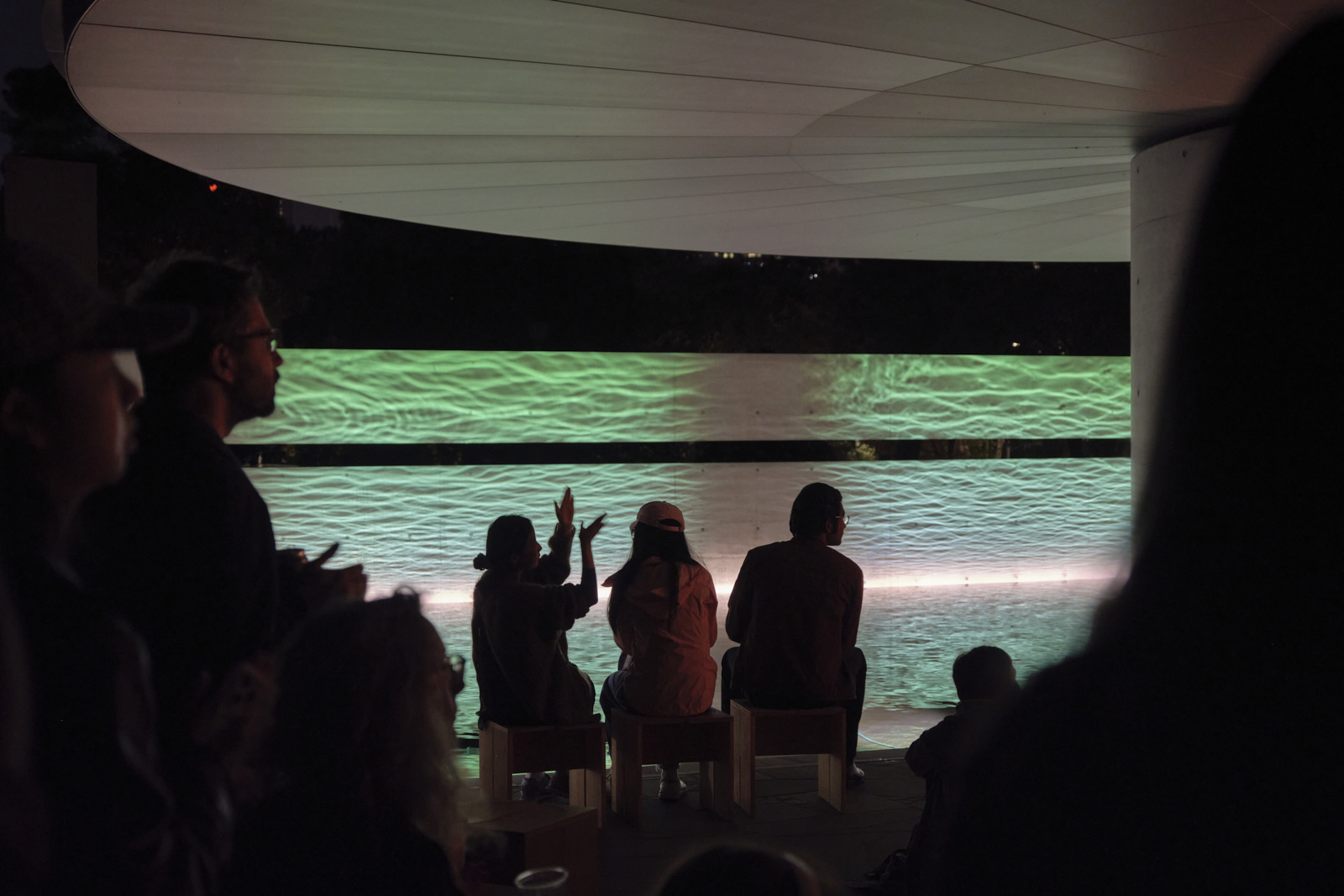
Materials for Coexistence, MPavilion (© Lucy Foster)
The mutualistic entanglements that shape the systems in which we live are often overlooked. From here, regenerative and more-than-human design offer a rethinking of anthropocentric narratives, decentering the human from the design process and positioning co-evolving mutualism as a primary objective. Beyond symbolic redistribution of agency to nonhuman collaborators, these practices move from speculation to operation through the construction of conditions that support the coexistence of living species with other living and nonliving things.
Our relationship with nature is rather binary. We either want to exploit it or save it. None of this is beneficial in the long term. What we perhaps should recognise is that nature is not an outsider.