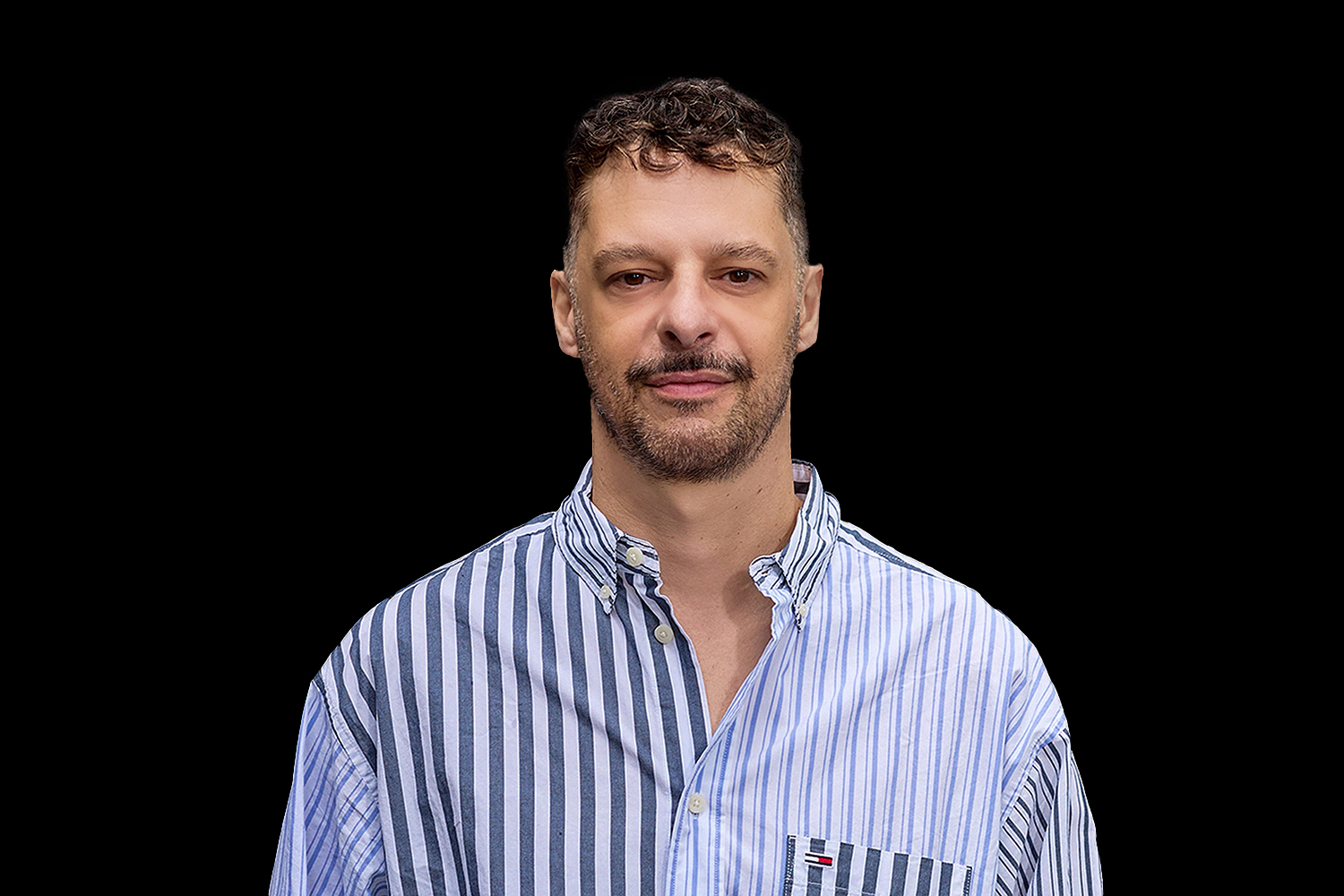
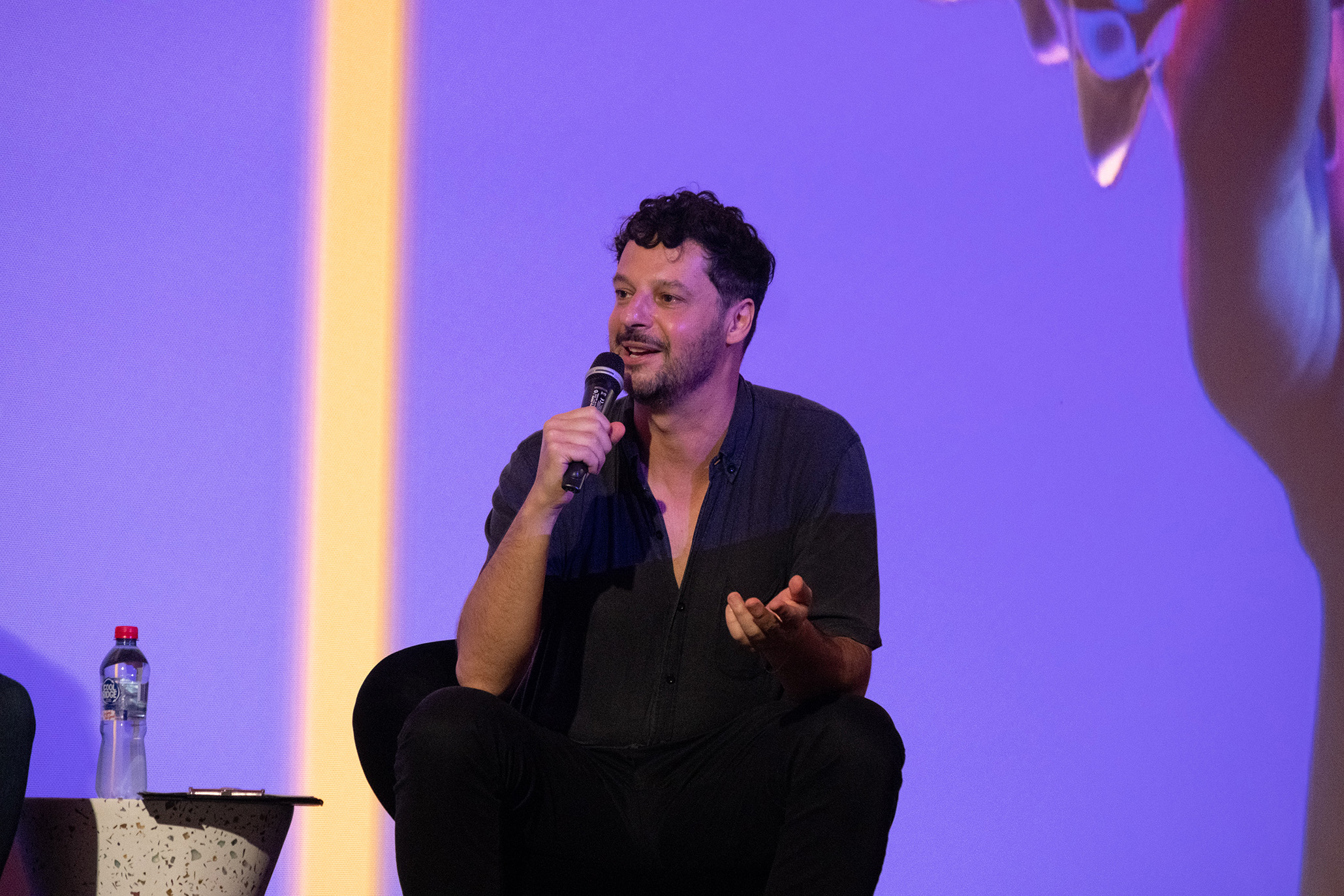
Ollie (Olivier) Cotsaftis is a post-disciplinary researcher-practitioner working at the intersection of design, ecology and futures

Ollie (Olivier) Cotsaftis is a post-disciplinary researcher-practitioner working at the intersection of design, ecology and futures

At RMIT University's School of Design, Ollie’s practice is grounded in living systems, critical ecologies and material entanglements, contributing to regenerative transitions. He has published in leading journals such as Design Studies and exhibited at the Science Gallery Melbourne, the MPavilion, and the National Gallery of Victoria.

Before joining RMIT, he was a design lead at Fjord Design and Innovation and founded future ensemble studio. He is currently Co-Program Manager of the Master of Design Innovation and Technology, Design and Architecture Lead of the RMIT Nature Positive Network, and co-founder of the material futures studio neomatter.

Material Entanglements

Materials are more than inert matter—they are entangled with cultures, economies, societies, and ecologies. Everything we create tells a story about how we live, what we value, and how we connect to the living world.

Today, emerging materials are reshaping these entanglements. Seaweed textiles, compostable bioplastics and waste-based bio-objects are no longer niche experiments but building blocks of a circular bioeconomy. As production scales up and costs come down, they reconfigure material flows and prompt us to rethink consumption, waste and our responsibilities within more-than-human worlds.

Critical Ecologies & Regenerative Transitions

We are living in an era of profound transformation, adapting to a world negatively shaped by our collective actions. Meeting this reality calls for new ways of designing and futuring, ones that support coexistence and work with rather than against the living.

Here, design becomes a means to question inherited systems, challenge human-centricity and engage with the nonhuman. From this perspective, regenerative transitions are not only about repair and creating conditions in which humanity can thrive, but about doing so in ways that co-evolve mutualism and future-proof our cities, now home to more than half of the world’s population—regenerative futures in more-than-human worlds.

2021 Melbourne Design Week

2021 Melbourne Design Week